
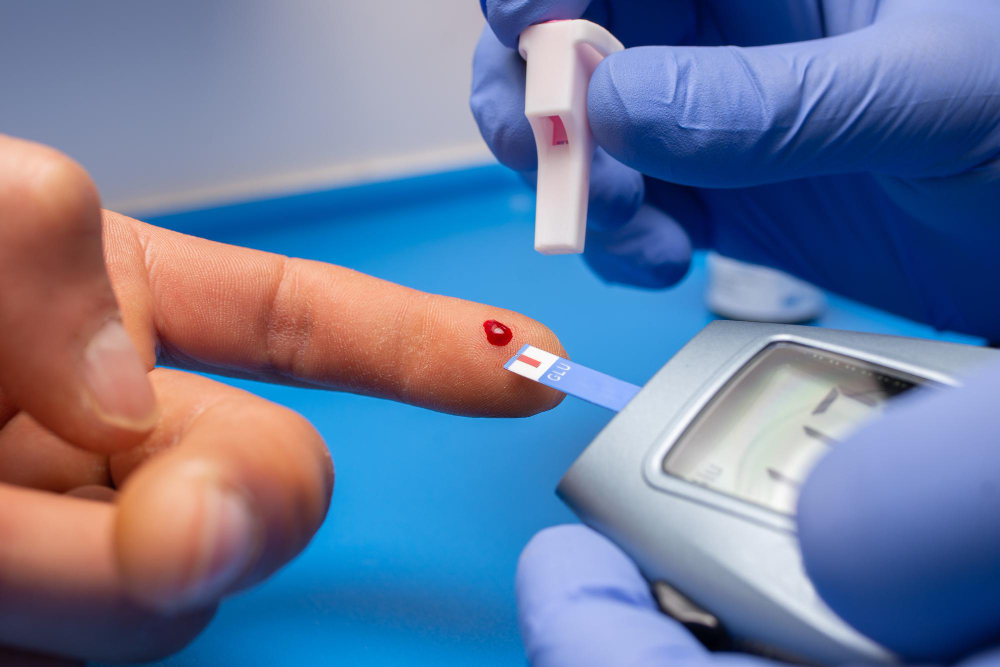
A lipid profile test checks the fats in your blood. These fats include cholesterol and triglycerides. Doctors often use this test to see your risk for heart disease. Because heart health is so important, many people get a lipid profile test during routine checkups. The test is sometimes called a cholesterol test for heart health. It helps you and your doctor understand your heart health better.
First, the lipid profile test gives a clear picture of your cholesterol levels. High cholesterol can block blood flow and raise your risk of heart attack or stroke. For this reason, knowing your numbers helps you take action early. In many cases, people do not feel any symptoms until problems start. So, regular testing is key for preventing heart disease and staying healthy.
The lipid profile test measures several types of cholesterol. Each type affects your heart in a different way. For example, some types are good for your heart, while others can be harmful. The main types measured are:
Usually, a lipid profile test is simple and quick. First, a nurse or technician takes a small blood sample from your arm. In most cases, you need to fast for 9 to 12 hours before the test. This means you should not eat or drink anything except water. Fasting helps give the most accurate results. After the test, you can eat and drink as usual.
Understanding lipid profile results is important for your health. Your doctor will explain what your numbers mean. Still, here are some general guidelines for normal cholesterol levels:
However, these numbers may change based on your age, sex, and health history. For this reason, always talk to your doctor about your results. They can help you understand your risk and what steps to take next.
Several factors can cause high or low cholesterol. For example, eating foods high in saturated fat can raise your cholesterol. Other causes include:
Sometimes, even with a healthy lifestyle, genetics play a role. Therefore, regular cholesterol tests are important for everyone.
High cholesterol can lead to serious health problems. Most often, it causes fatty deposits to build up in your blood vessels. Over time, these deposits make it hard for blood to flow. As a result, you may have a higher risk of:
Because these risks are serious, it is important to keep your cholesterol in a healthy range. The CDC and WHO both warn about the dangers of untreated high cholesterol.
There are many ways to keep your cholesterol in check. For instance, you can:
With these steps, you can help lower your risk of heart disease and improve your overall health.
Preventing heart disease starts with small changes. For example, try to make healthy food choices every day. In addition, stay active and manage stress. If you have high cholesterol, your doctor may suggest medicine. However, lifestyle changes are often the first step. Regular cholesterol tests, like the lipid profile test, help you track your progress. By working with your healthcare team, you can protect your heart and enjoy a healthier life.

Powered By