
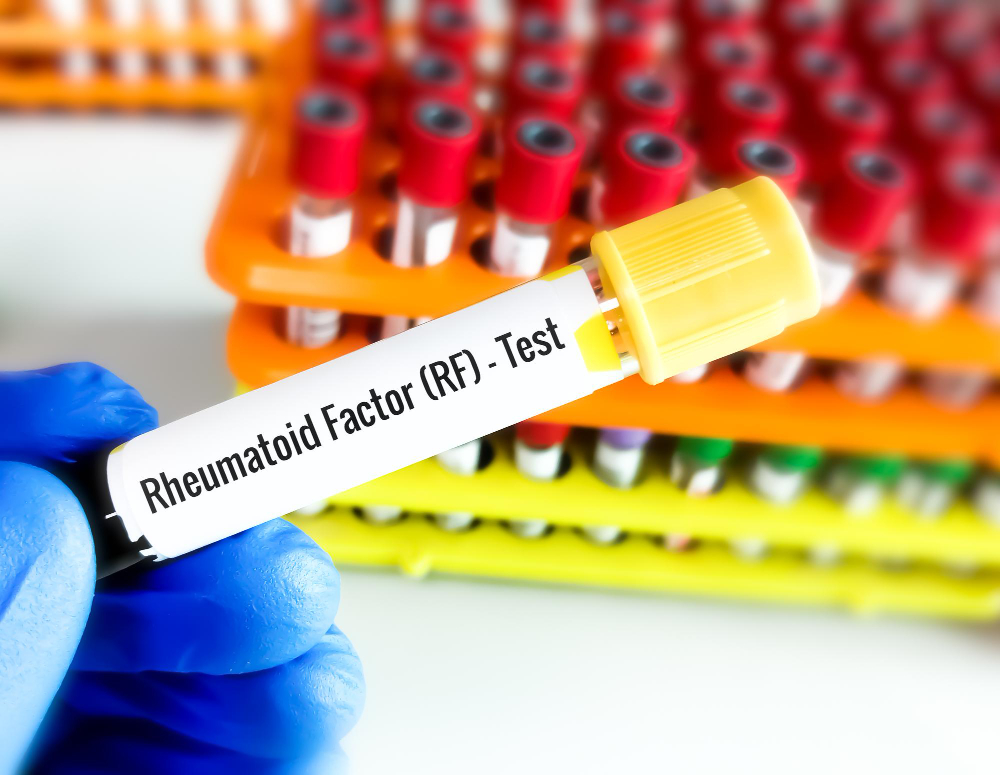
The Rheumatoid Factor Test is a simple blood test. It checks for rheumatoid factor, a type of protein in your blood. Doctors often use this test to help diagnose rheumatoid arthritis. Sometimes, it can also help find other autoimmune diseases. Because it is easy to do, many doctors use it as a first step when joint pain is present.
Doctors order the Rheumatoid Factor Test for several reasons. Most often, it helps find out if you have rheumatoid arthritis. However, it can also help diagnose other conditions. For example, it may be used if you have:
Because early diagnosis is important, this test can help start treatment sooner. According to the CDC, early treatment may prevent joint damage.
The Rheumatoid Factor Test is quick and simple. First, a healthcare worker cleans your arm. Next, they insert a small needle into a vein. Then, they collect a small amount of blood into a tube. After that, the blood goes to a lab for testing. The whole process usually takes less than 10 minutes. Most people feel only a small pinch during the test.
After the test, your doctor will review the results. Here is what they may mean:
Because results can vary, your doctor may order more tests. For example, they may suggest an anti-CCP test or imaging scans. Always discuss your results with your doctor to understand what they mean for you.
Usually, you do not need to do much to prepare for the Rheumatoid Factor Test. However, your doctor may ask you to avoid eating or drinking before the test. This is rare. After the test, you can return to normal activities. If you notice redness or swelling at the needle site, apply a cool cloth. Most people feel fine right away.
The Rheumatoid Factor Test is safe for most people. Still, there are a few minor risks:
However, the test has some limits. For instance, not everyone with rheumatoid arthritis has a positive result. Also, some healthy people may test positive. Because of this, doctors use other tests and your symptoms to make a diagnosis. The World Health Organization notes that no single test can confirm rheumatoid arthritis.
If you have joint pain, swelling, or stiffness, talk to your doctor. Early testing can help find problems sooner. Also, if you get unusual test results, your doctor can explain what they mean. Remember, only a healthcare professional can give you a clear diagnosis and treatment plan.
In summary, the Rheumatoid Factor Test is a helpful tool. However, it is just one part of finding out what is wrong.For personalized advice about the Rheumatoid Factor Test, consult a healthcare professional at Anjana Scans & Diagnostics.

Powered By