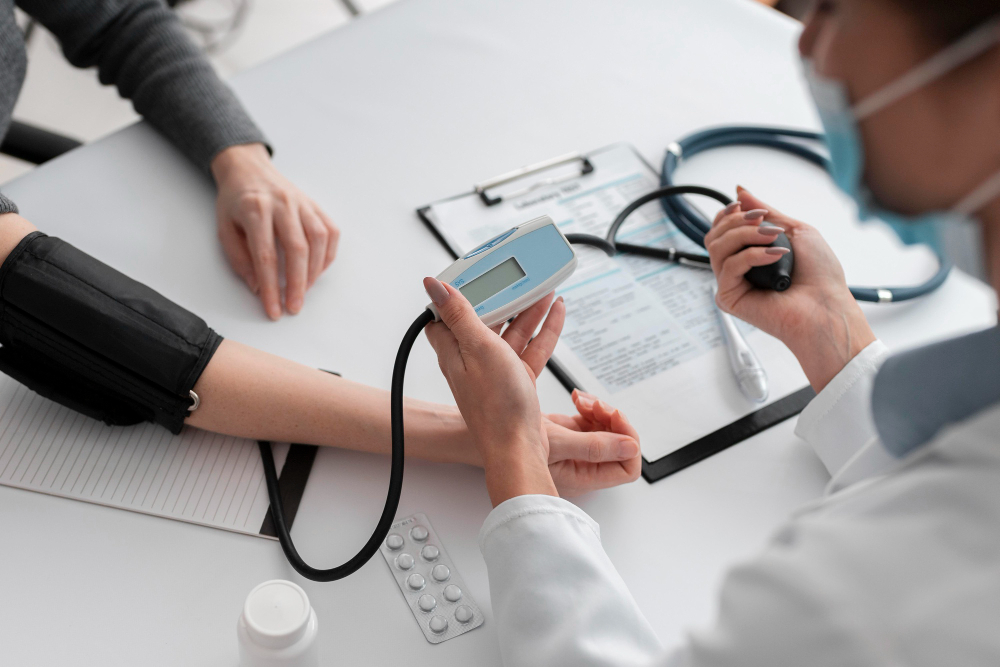
Preventive health checkups are regular medical tests done when you feel healthy. These checkups help find health problems early. Even if you have no symptoms, a checkup can spot risks before they become serious. According to the World Health Organization (WHO), early detection saves lives and lowers treatment costs. So, preventive health checkups are important for everyone.
Many diseases start quietly. For example, high blood pressure and diabetes often show no signs at first. Because of this, you may feel fine even if a problem is growing. In fact, the Centers for Disease Control and Prevention (CDC) says some cancers and heart diseases develop without early warning signs. Therefore, waiting for symptoms can delay treatment. Regular health screenings help catch these issues early.
Early disease detection offers many benefits. For instance, it can:
Moreover, regular checkups can help you learn about your health risks. This way, you can make better choices for your future.
Most preventive health checkups include simple tests. These may vary by age, gender, and family history. However, common tests often include:
Your doctor may suggest more tests based on your needs. For example, people with a family history of heart disease may need extra heart checks.
How often you need a preventive health checkup depends on your age and health. In general:
Even if you feel healthy, regular screenings are wise. After all, early disease detection can make a big difference.
Some people believe checkups are only for the sick. However, this is not true. In reality, many health problems do not show symptoms until they are advanced. Another myth is that young people do not need screenings. But, early habits shape future health. Also, some think checkups are too costly. Yet, early detection often saves money by avoiding expensive treatments later.
Getting ready for a preventive health checkup is simple. Here are some tips:
Additionally, write down any questions you have for your doctor. This helps you make the most of your visit.
Besides regular checkups, healthy habits matter. For example, you can:
These steps, along with preventive health checkups, help you stay healthy longer. Remember, prevention is always better than cure.
In summary, preventive health checkups are key to early disease detection. Even without symptoms, regular screenings protect your health. Do not wait for warning signs. Instead, book an appointment Anjana Scans & Diagnostics for a preventive health checkup plan. Your future self will thank you.
Powered By